
Blog
Guides on EU food rules, labelling, organic import and ingredient sourcing for B2B buyers.
-
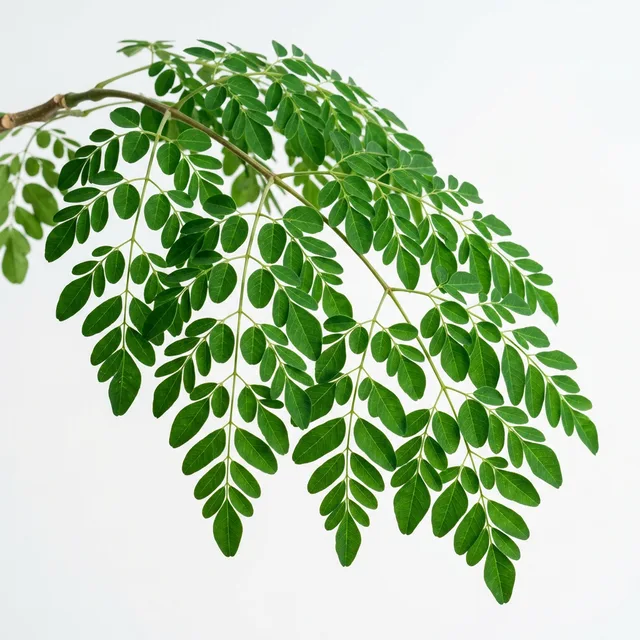
Moringa Oleifera: A Botanical Profile of the “Drumstick Tree”
Origins, traditional uses, and documented nutritional composition of Moringa oleifera, one of the most widely studied tropical plants.
-
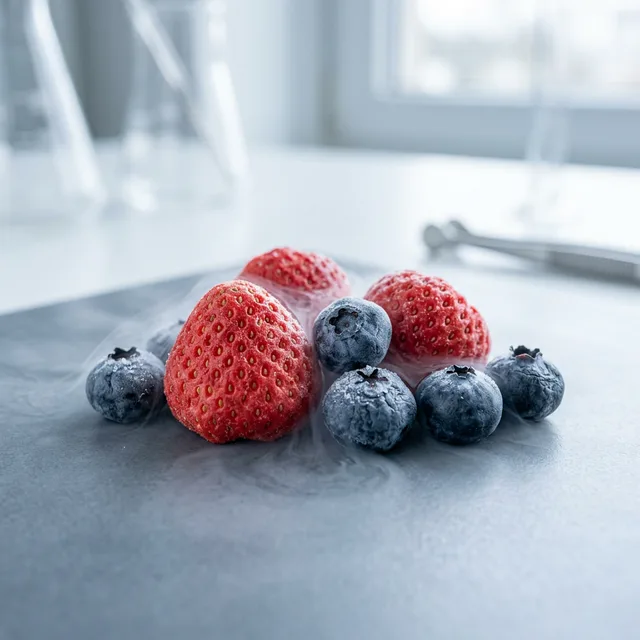
What Is Freeze-Drying? How the Process Works
How freeze-drying (lyophilisation) works: freezing, primary and secondary drying, shelf life and practical uses.
-
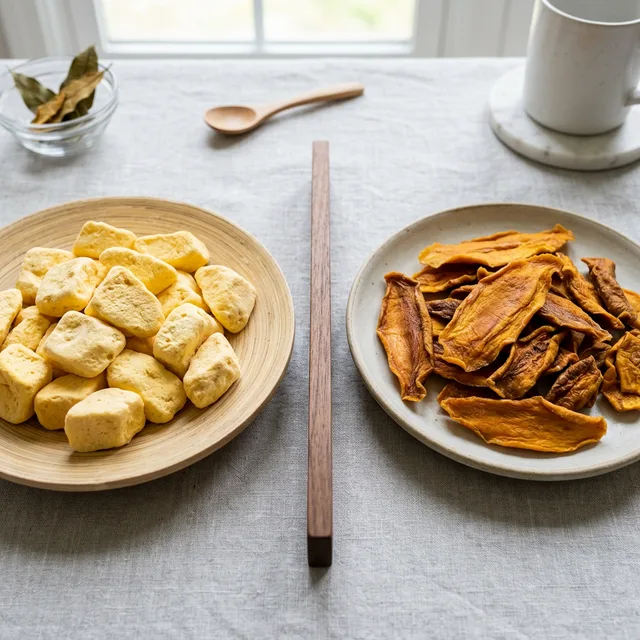
Freeze-Dried vs. Dehydrated: What’s the Difference?
A factual comparison of freeze-drying and dehydration: processing methods, texture, shelf life, nutrient retention, and cost differences explained.
-

Sustainable Sourcing in the Freeze-Dried Industry
How ethical sourcing, farm partnerships, and environmental responsibility shape the future of freeze-dried food production and ingredient supply chains.
-
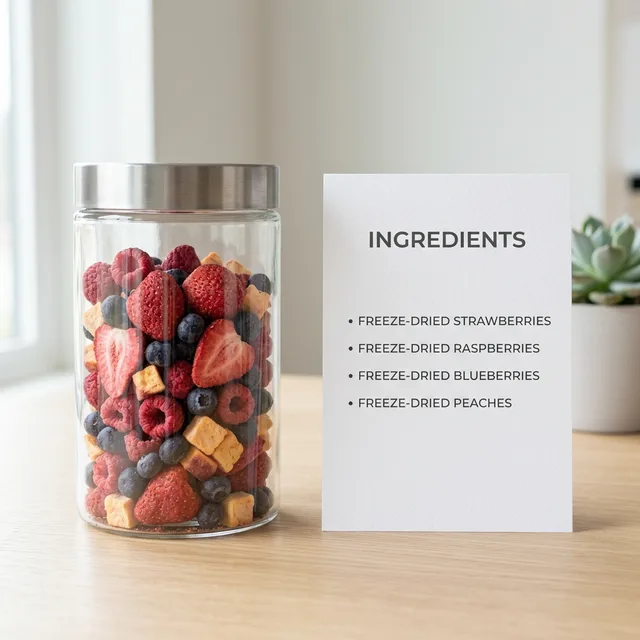
Clean Label Trend: Why Ingredient Transparency Matters
How the clean label movement shapes consumer expectations, and what it means for food ingredient suppliers and manufacturers in Europe.
-
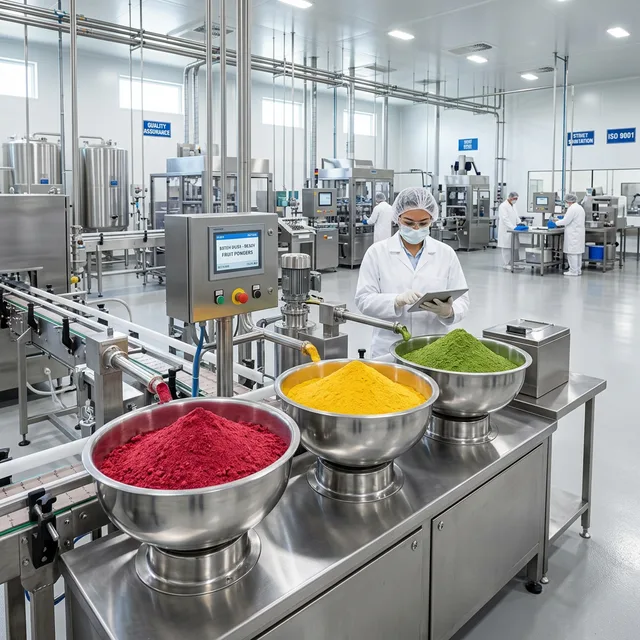
How Food Manufacturers Use Freeze-Dried Fruit Powders
Applications of freeze-dried fruit powders in cereal production, bakery, nutraceuticals, pet food, and cosmetics, a B2B overview for ingredient buyers.
-
Private Label & White Label: A Guide for B2B Buyers
Understanding the difference between private label and white label in the food industry, and how to choose the right model for your business.
-
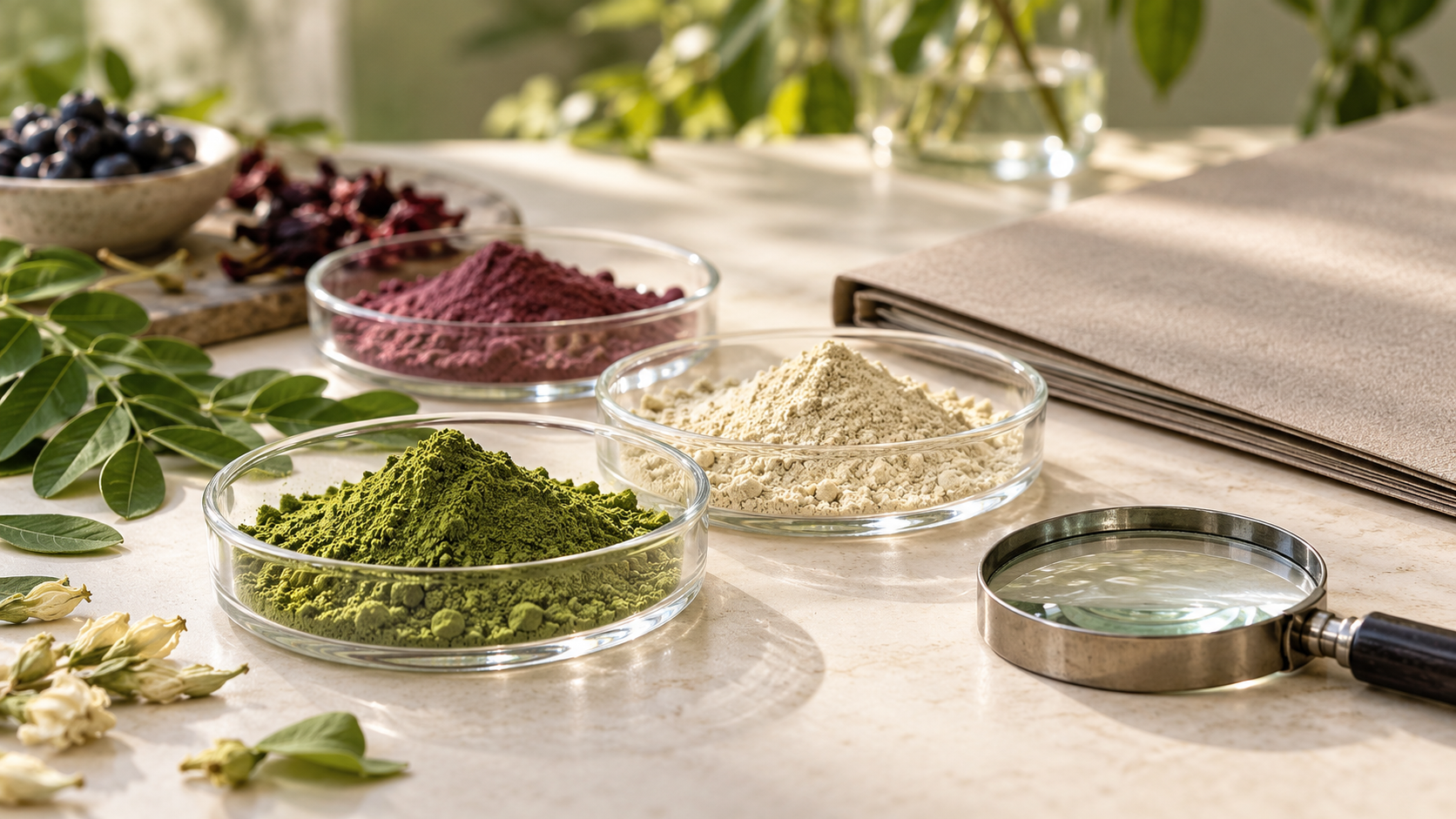
Novel Food in the EU: When Do Exotic Ingredients Need Approval?
Understanding the EU Novel Food Regulation 2015/2283. When do exotic ingredients like moringa, baobab, or green banana powder require authorisation?
-
HACCP Compliance for Dried Fruit Importers in the EU
HACCP is mandatory for all food businesses in the EU. Learn how dried fruit importers can implement an effective HACCP system under Regulation (EC) 852/2004.
-
EU BIO Certification for Importers: A Step-by-Step Guide
How to obtain and maintain EU organic (BIO) certification as a food importer. Step-by-step guide covering control bodies, documentation, and TRACES NT.
-
EU Organic Import Rules 2025: From Equivalence to Compliance
The EU shifted from equivalence to full compliance for organic imports in 2025. What this means for BIO-certified importers, producer groups, and supply chains.
-
Allergen Labelling Under EU Regulation 1169/2011
Understanding the 14 major allergens and labelling requirements under EU Regulation 1169/2011 for food businesses, importers, and manufacturers.